
Grooming is an essential part of caring for your dog, contributing not only to their appearance but also to their overall health and happiness. While many owners enjoy bonding with their pets during grooming sessions, common challenges can sometimes make the process tricky. In this blog, we’ll explore frequent dog grooming issues and provide practical solutions to help keep your canine companion looking and feeling their best.
1. Tangles and Mats
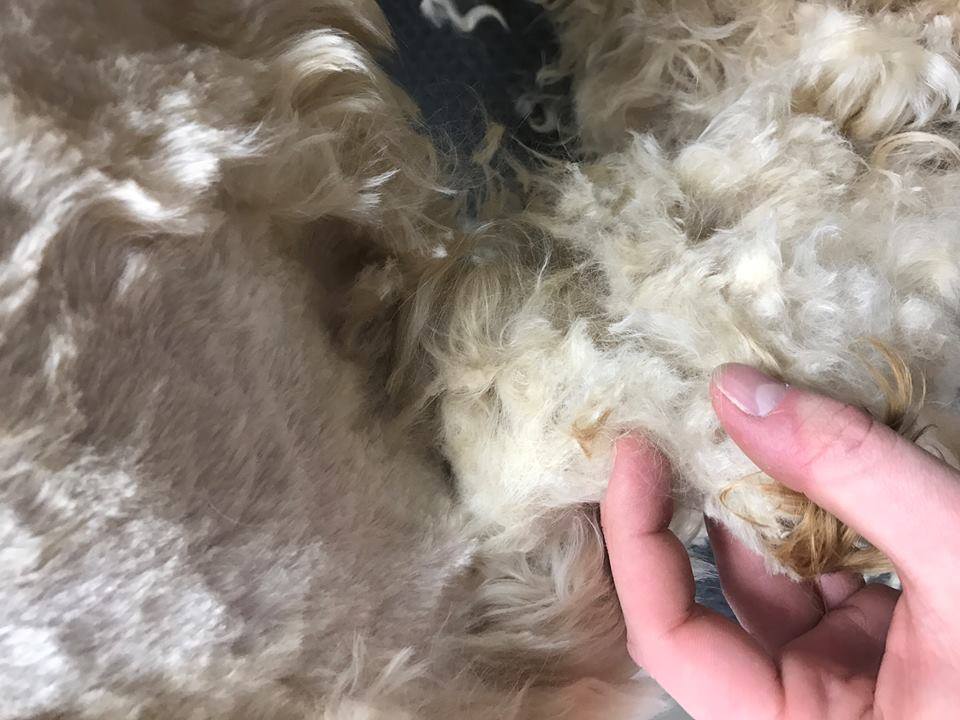
Tangled and matted fur is especially common in long-haired breeds, but any dog can suffer from this issue. Mats can be uncomfortable for dogs and, if left untreated, may lead to skin irritation or infections.
1. Prevention: Brush your dog regularly – at least a few times a week for long-haired breeds. Use the appropriate brush or comb for your dog’s coat type.
2. Dealing with Mats: For mild mats, gently work through with a detangling spray and a wide-tooth comb. For severe mats, avoid using scissors near the skin; instead, seek professional help to prevent injury.
2. Excessive Shedding
While shedding is natural, excessive fur around the house can be frustrating. Seasonal shedding is normal, but sudden, heavy loss may indicate an underlying issue.
1. Regular Brushing: Use a de-shedding tool or slicker brush to remove loose fur and prevent it from spreading around your home.
2. Diet and Health: Ensure your dog is on a balanced diet, as poor nutrition can contribute to shedding. If shedding persists, consult your vet to rule out allergies or skin conditions.
3. Bathing Battles
Many dogs aren’t fond of bath time, leading to stressful experiences for both pet and owner. Common problems include escaping dogs, struggling in the tub, and difficulty rinsing thoroughly.
1. Preparation: Gather all supplies beforehand and use lukewarm water. Place a non-slip mat in the tub to help your dog feel secure.
2. Calm Approach: Speak gently and reward your dog with treats for cooperation. For reluctant dogs, consider waterless shampoos or professional grooming.
4. Nail Trimming Troubles
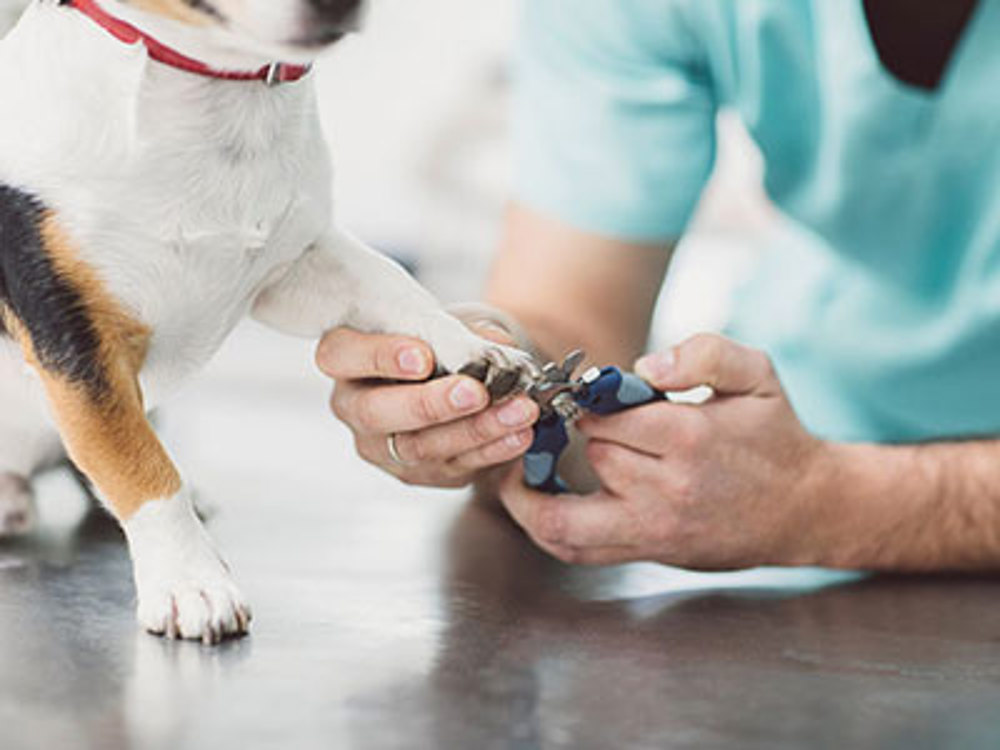
Cutting your dog’s nails can be nerve-wracking, especially if your pet is anxious or if you’re worried about cutting too close to the quick.
1. Use Proper Tools: Invest in high-quality nail clippers or a grinder designed for dogs.
2. Take It Slow: Trim small amounts regularly, and offer praise and treats. If you’re uncertain, ask your vet or groomer to demonstrate safe techniques.
5. Ear Cleaning Concerns
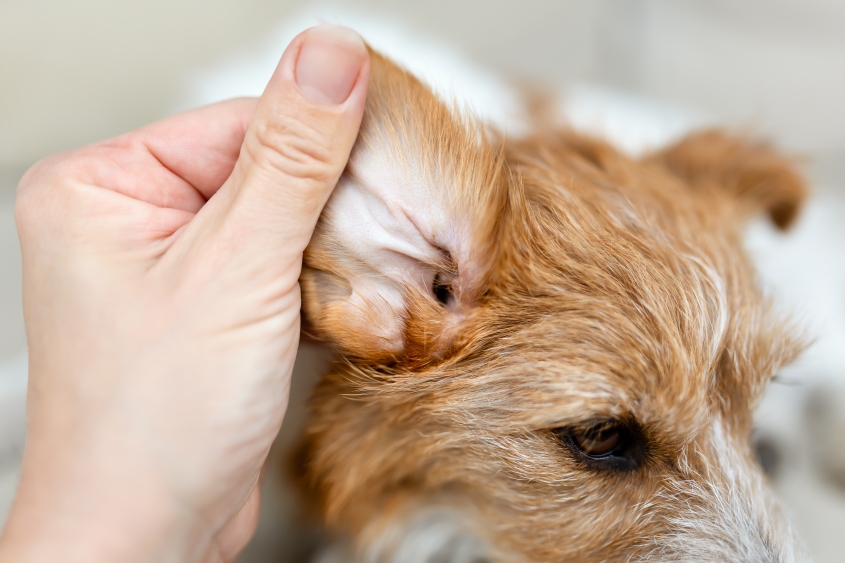
Ear infections and wax build-up are common, particularly in breeds with floppy ears. Regular cleaning helps prevent discomfort and health problems.
1. Gentle Cleaning: Use a vet-approved ear cleaner and cotton wool (never cotton buds) to gently clean the outer ear.
2. Watch for Signs: Redness, odour, or frequent scratching may signal an infection—consult your vet if these symptoms arise.
6. Sensitive Skin and Allergies
Some dogs have sensitive skin, making them prone to rashes, dryness, or allergies. Grooming can exacerbate these issues if not done carefully.
1. Choose Mild Products: Always use dog-specific shampoos free from harsh chemicals and fragrances.
2. Monitor for Reactions: If your dog develops irritation, consult your vet, who may recommend a hypoallergenic grooming routine.
Conclusion
Dealing with common dog grooming issues requires patience, preparation, and a gentle touch. By understanding your dog’s unique needs and adopting the right techniques, grooming can become a positive experience for both of you. Remember, when in doubt, seek advice from professionals to ensure your pup stays happy, healthy, and looking their best.