
Dog coats are more than just fluff and fashion—they’re a vital part of a dog’s health, comfort, and identity. Whether you're a grooming student or a devoted pet parent, understanding coat types is the first step to mastering proper grooming techniques. Let’s break down the most common coat types and how to care for each.
1. Smooth-Coated Dogs
Examples: Beagle, Doberman, Greyhound
Characteristics: Short, sleek fur that lies close to the body
Grooming Tips:
- Use a rubber curry brush weekly to remove loose hairs
- Bathe occasionally to maintain shine and cleanliness
- Wipe down with a damp cloth between baths for quick refreshes
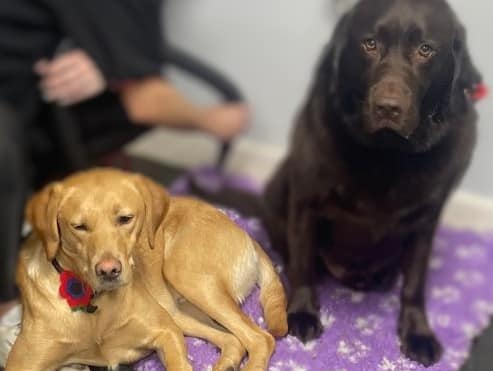
2. Short-Coated Dogs
Examples: Labrador Retriever, Boxer
Characteristics: Slightly longer than smooth coats, may stand off the body
Grooming Tips:
- Brush weekly with a bristle brush or hound glove
- Pay attention to seasonal shedding—extra brushing helps
- Use a de-shedding tool during heavy shed periods
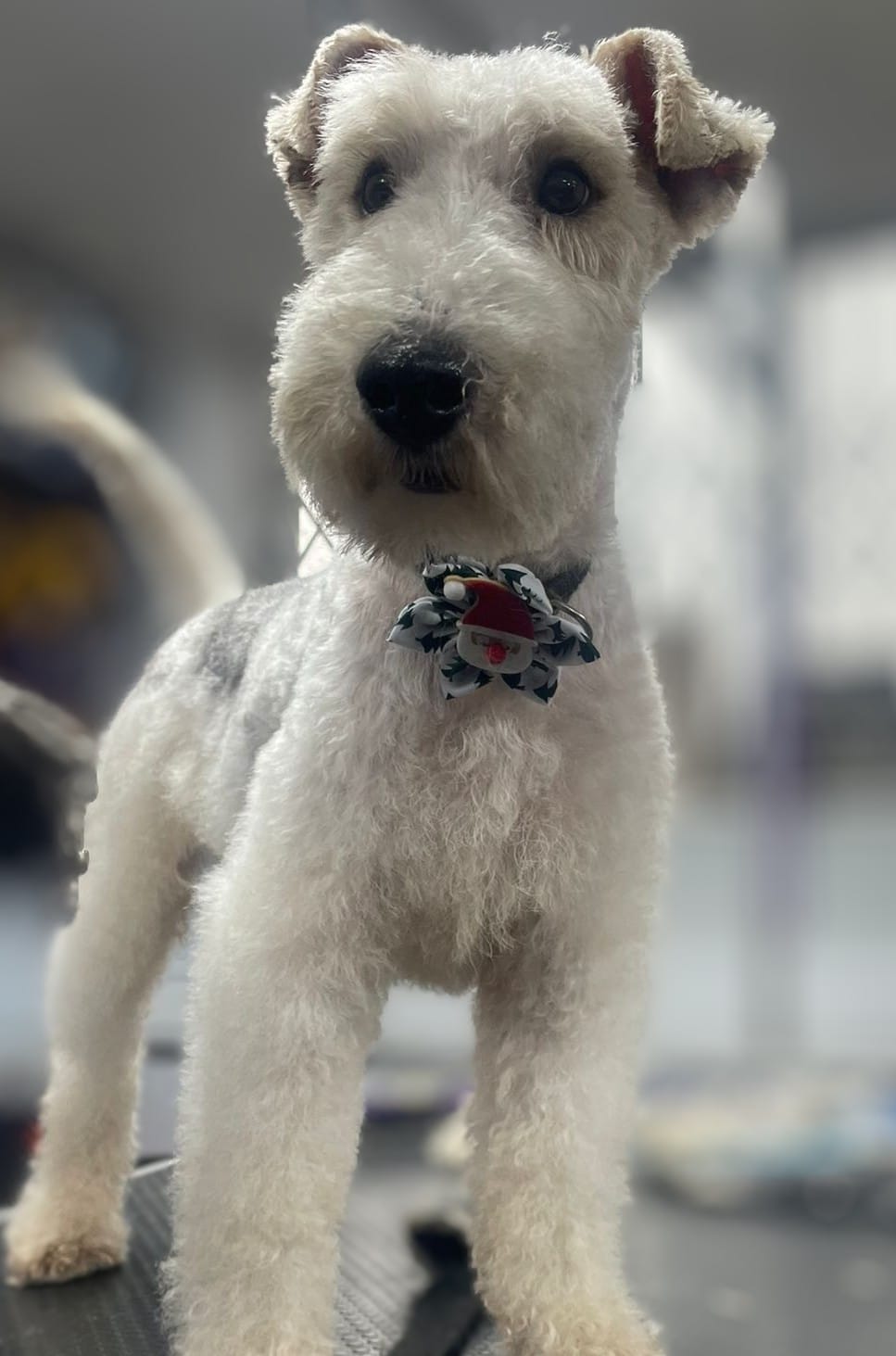
3. Wire-Coated Dogs
Examples: Terrier breeds (e.g., Border Terrier, Wire Fox Terrier)
Characteristics: Harsh, bristly texture; often double-coated
Grooming Tips:
- Hand-stripping is ideal to maintain coat texture
- Use a slicker brush and metal comb for regular maintenance
- Avoid clipping unless necessary—it can soften the coat
4. Double-Coated Dogs
Examples: Husky, Golden Retriever, German Shepherd
Characteristics: Dense undercoat beneath longer guard hairs
Grooming Tips:
- Never shave—this disrupts temperature regulation
- Brush 2–3 times a week with an undercoat rake and slicker brush
- Bathe monthly, ensuring full drying to prevent mildew in the undercoat
5. Silky-Coated Dogs
Examples: Yorkshire Terrier, Afghan Hound
Characteristics: Fine, flowing hair that grows continuously
Grooming Tips:
- Daily brushing to prevent tangles and mats
- Use a pin brush and detangling spray
- Regular trims and conditioning treatments
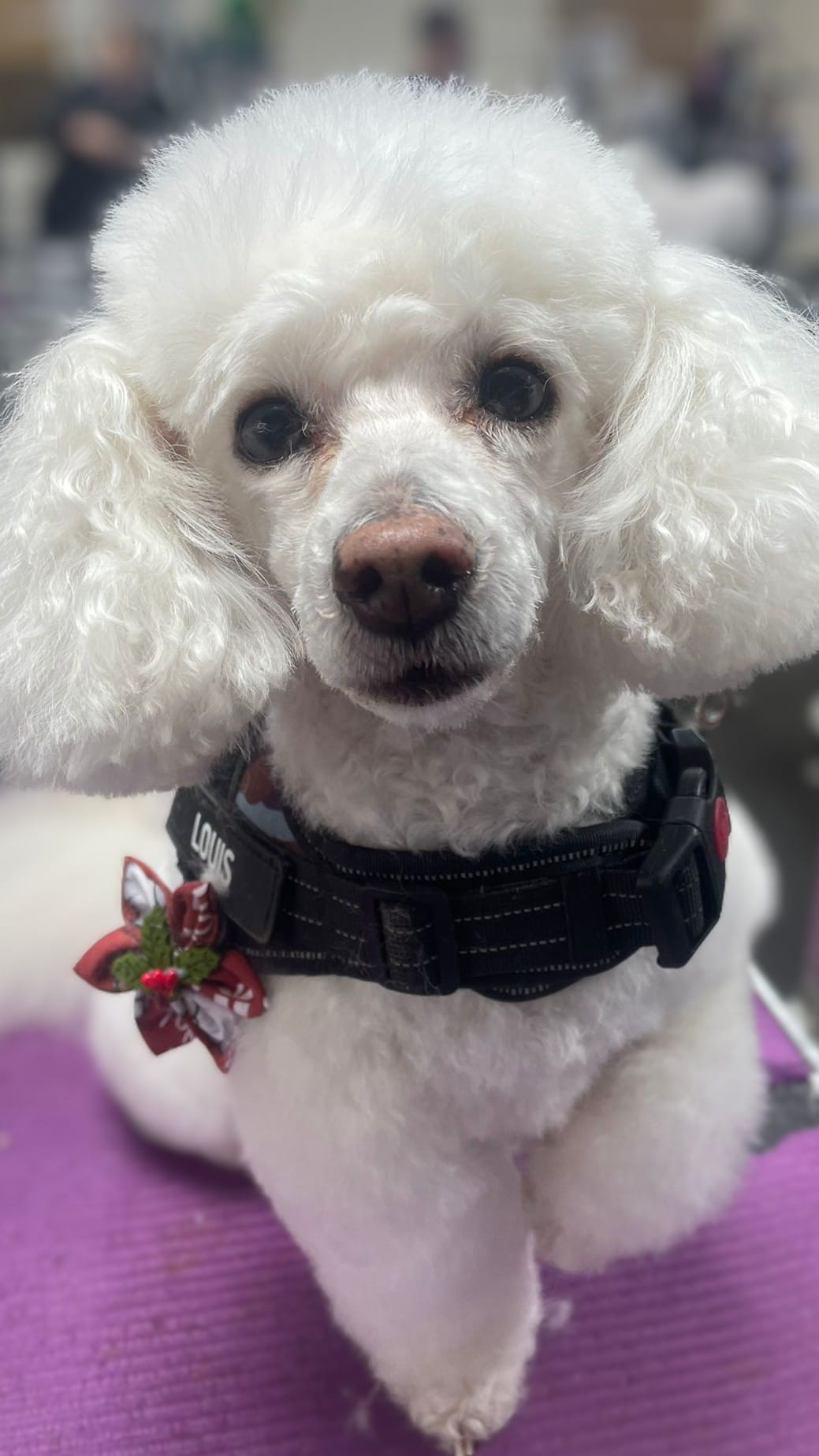
6. Curly-Coated Dogs
Examples: Poodle, Bichon Frise
Characteristics: Tight curls, often single-coated
Grooming Tips:
- Brush daily with a slicker brush to prevent matting
- Schedule professional grooming every 4–6 weeks
- Use moisturizing shampoos to maintain curl health
7. Corded Coats
Examples: Komondor, Puli
Characteristics: Naturally forming cords or dreadlocks
Grooming Tips:
- Separate cords manually to prevent matting
- Bathe carefully—cords take a long time to dry
- Avoid brushing; focus on cord maintenance
8. Hairless Breeds
Examples: Xoloitzcuintli, Chinese Crested
Characteristics: Minimal or no coat
Grooming Tips:
- Moisturize skin regularly to prevent dryness
- Use sunscreen when outdoors
- Bathe weekly to remove oil buildup
Final Thoughts
Understanding coat types isn’t just about aesthetics—it’s about health, comfort, and building trust with every dog you groom. Whether you're training future professionals or educating pet owners, this knowledge is foundational.
Want to turn this into a printable guide for your students or a shareable infographic for your blog? I’d be happy to help you build that next!